Our Work
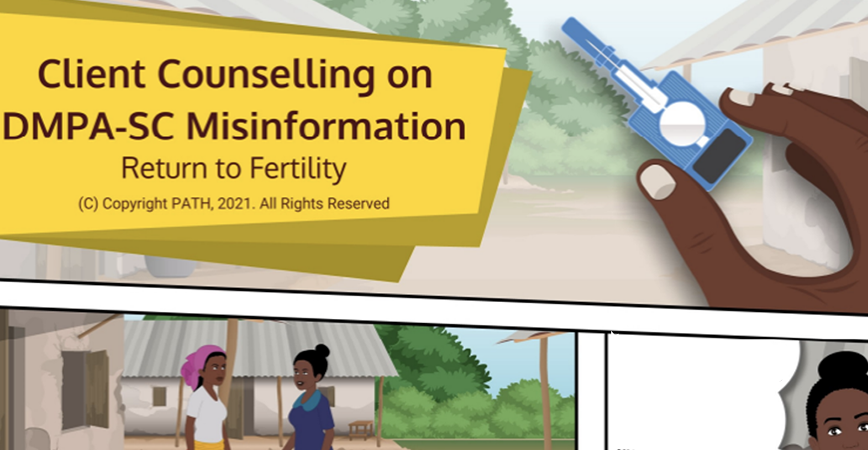
Case Study - IVR-based training towards the use of DMPA-SC Contraceptive
A Journey of Knowledge and Trust: Transforming Family Planning
Background
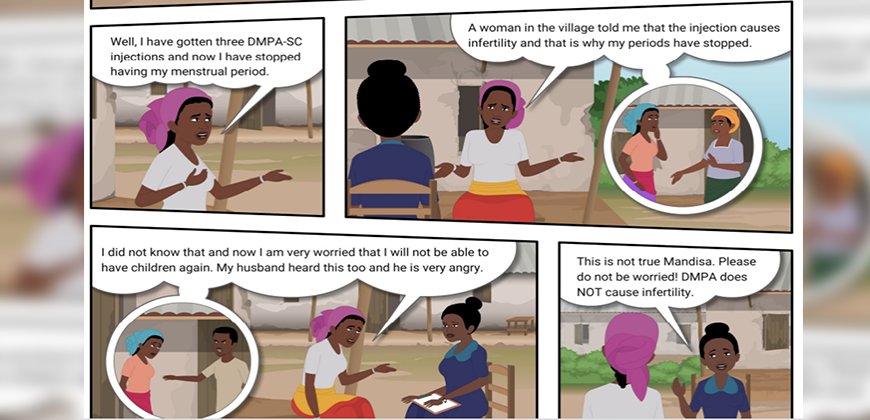
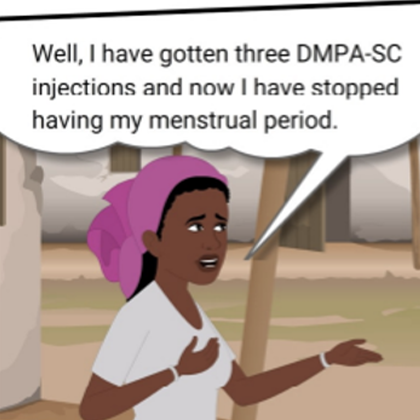
In a rural village where healthcare access was scarce and information even scarcer, Mandisa feared for her future. After taking her third DMPA-SC injection, she stopped menstruating. Rumors in the community claimed the contraceptive caused infertility. Her husband demanded answers. Anxiety grew.
When Zina, a trained healthcare worker, visited for a routine check-in, she immediately sensed Mandisa’s distress.
Mandisa whispered her fears.
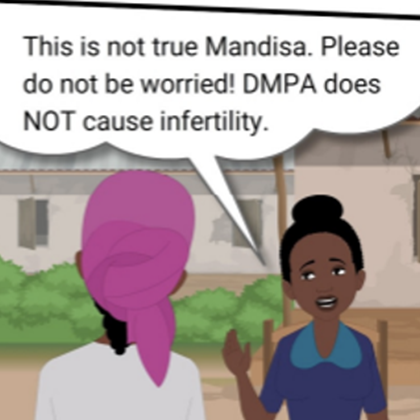
Zina listened, reassured her, and calmly corrected the misinformation:
“The injection does not cause infertility. This side effect is normal and temporary.”
This small conversation reflected a broader challenge across many communities, fear fueled by misinformation, and healthcare workers without adequate training to respond.
The DMPA-SC Training Enhancement Initiative was launched to change that.
Challenge
Although DMPA-SC is a safe and effective contraceptive, its adoption remained low due to:
- Community myths and rumors
- Lack of provider confidence
- Poor counseling skills
- Limited access to clear, culturally relevant information
- Fear-based abandonment of contraception
Healthcare workers were highly trusted voices, but many lacked the tools to counsel, reassure, and educate effectively.
The challenge was not only medical, it was social, psychological, and communication-based.
Approach: Building Trust Through Learning
Enabling Dimensions saw that manuals and guidelines weren’t enough. Providers needed training that was:
- Practical
- Accessible
- Engaging
- Real-world focused
Partnering with PATH, two critical modules of the DMPA-SC training curriculum were redesigned into a powerful digital learning experience focused on:
- Counseling Clients on DMPA-SC:
Addressing fears, debunking myths, and guiding women with empathy and clarity - Self-Injection Counseling and Training:
Giving women autonomy by helping them confidently self-administer the injection
This wasn’t just content.
It was capacity building for trust, safety, and informed choice.
Solution: Training that Leaves No One Behind
To ensure every provider regardless of connectivity, time, or location could learn, the training used a multi-modal delivery model.
Scenario-Based Storytelling: Real stories like Mandisa’s built emotional connection and practical understanding.
Interactive Simulations: Providers practiced counseling virtually, developing confidence through role-play.
Gamified Quizzes & Assessments: Learning became engaging, memorable, and measurable.
Blended Learning Delivery
- Online eLearning modules
- Video demonstrations
- SMS reminders
- In-person mentoring
Localized Cultural Adaptation
Content reflected community language, social norms, and real-world barriers.
Impact
With improved skills and confidence, healthcare workers like Zina changed outcomes and communities noticed.
Healthcare Workers Became Confident Counselors
- Myths and fears were addressed with empathy
- Women began seeking help without hesitation
- Trust between providers and clients strengthened
Increased Contraceptive Engagement
- Women previously scared of DMPA-SC returned for information and support
- More participants learned self-injection techniques safely and accurately
Scalable Global Impact
- The framework became adaptable across 70 countries
- Training models supported broader family planning initiatives
- Localized versions allowed global usage with cultural relevance
Conclusion
The DMPA-SC Initiative was more than a training module it was a movement toward informed reproductive autonomy.
Enabling Dimensions did not just teach providers what to say.
We taught them how to listen, how to reassure, and how to build trust.
Every trained provider meant one more woman like Mandisa gaining clarity, confidence, and control over her reproductive health.
We transformed information into empowerment, one conversation at a time.
Project Gallery

Let’s Build Future Together.